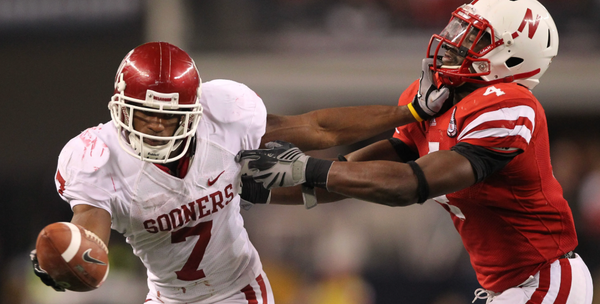
The Psychology of a Comeback: The Mindset Behind the Rehabilitation of Athletic Injury
The Mind
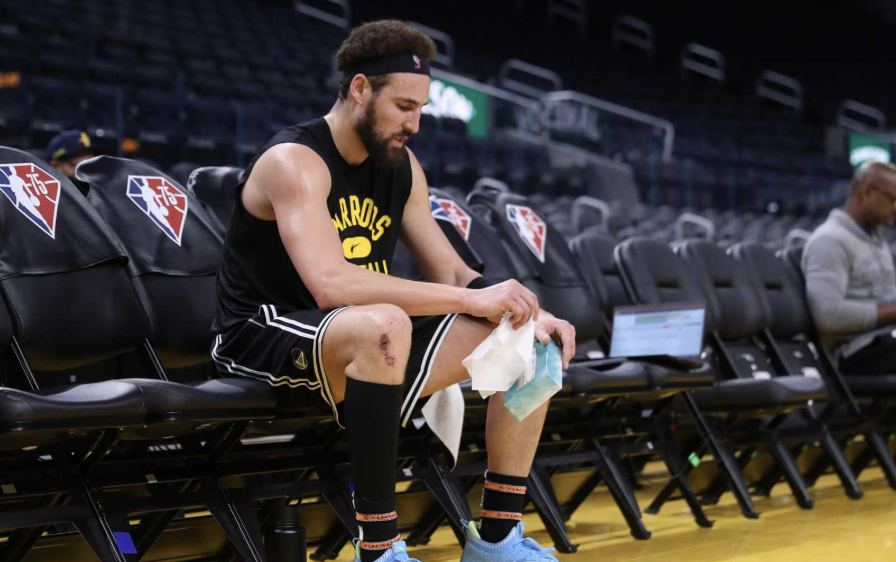
On November 18, 2018, Washington Commanders quarterback Alex Smith's leg bent in a place it shouldn't, a gruesome compound fracture visible on a national scale. Two years earlier, Golden State Warriors guard Klay Thompson tore his Achilles tendon during a pickup game, an injury that came as he was nearing the end of his rehabilitation from a torn ACL. In these moments, the physical trauma is obvious. But what is less visible is the first, and often most profound injury: the one that occurs in the mind.
The psychological response to a major athletic injury is complex and multifaceted, often mirroring the five stages of grief: denial, anger, bargaining, depression, and acceptance. For an athlete whose identity, daily routine, and social life are intrinsically tied to their sport, a serious injury represents a profound loss—of physical capability, of connection to the team, and of control over their own career.
The Inner Opponent: Fear, Doubt, and Recovery
As the physical healing process begins, the athlete must confront their most formidable opponent: the fear of re-injury. This is not an irrational anxiety; a previous injury is one of the most significant risk factors for a future one. This fear can manifest as kinesiophobia (a fear of movement) or the mental or physical manifestation of re-injury anxiety (a fear of the consequences of another injury), creating a psychological barrier that can be more debilitating than the physical one. The fear can trigger physiological responses like muscle guarding and altered movement mechanics, which ironically can increase the likelihood of another injury. In many cases, this fear is so powerful that it prevents athletes from returning to their pre-injury level of performance, even long after they have been medically cleared.
Cases of this have been seen throughout every sport and at every level, with key players and athletes not being able to fulfill their ultimate potential. While heartbreaking, this trend does leave behind an interesting question, what tools would necessary to return from severe injury, and return to peak form.
The Comeback Blueprint: Tools for Mental Reconstruction
Overcoming the psychological hurdles of a major injury requires a deliberate and structured approach to mental rehabilitation. Sports psychology has identified a blueprint of evidence-based strategies that can accelerate recovery and build a more resilient athlete.
The most successful recoveries begin with a fundamental cognitive shift. Athletes learn to reframe their injury not as a catastrophic setback, but as an opportunity for growth and learning.
This mindset is supported by three key practices:
- Goal Setting: Athletes shift their focus from distant, outcome-based goals to immediate, controllable goals. This restores a sense of control and provides a framework for celebrating small, consistent victories, which is crucial for maintaining motivation.
- Cognitive Restructuring: This involves actively identifying and challenging negative self-talk. An athlete learns to replace a thought like "I'll never be the same" with a more balanced and realistic one, such as "My body is healing and I'm learning to work through it".
- Visualization: Even when physically unable to perform, athletes can use mental imagery to rehearse their sport. They visualize the successful completion of rehabilitation exercises and, eventually, their confident return to competition. This practice helps maintain their athletic identity and works to rebuild confidence from the inside out.
The forced downtime from an injury, while physically devastating, can serve as an incubator for mental growth. It provides a rare opportunity for athletes to reflect and develop psychological skills like patience, emotional regulation, and perspective—skills often neglected during the relentless grind of a healthy season. As Klay Thompson's experience demonstrates, the time away from the court can forge a more complete player. The injury, therefore, is not merely an obstacle to be survived, but a challenge that can be leveraged to create a mentally tougher athlete if it is looked at in the correct way.
The Power of the Support System
Successful rehabilitation is not just a biological or psychological process; it is a neuro-social one. The athlete's social environment plays a critical role in their recovery. Social support is typically categorized into three types: emotional support (empathy and encouragement from family, friends, and teammates), informational support (education and guidance from doctors, physical therapists, and athletic trainers), and tangible support (practical assistance like rides to rehab or help with daily tasks).
This support network acts as a crucial buffer against the stress, anxiety, and depression that often accompany a long-term injury. Feeling connected to the team and maintaining a sense of belonging, even while sidelined, is vital for combating the profound sense of isolation that can derail a recovery. Research indicates that an athlete's satisfaction with the quality of their social support is directly linked to better psychological outcomes and a greater adherence to rehabilitation protocols. The brain's ability to heal and adapt—a process known as neuroplasticit - is deeply influenced by the athlete's mental and social well-being. Physical healing on a biological timeline is only one part of the equation; without addressing the brain's fear response and leveraging a strong social network, a full return to sport is far more difficult.
Case Studies in Fortitude: The Anatomy of a Comeback
The principles of psychological recovery are best illustrated through the stories of athletes who have navigated the journey.
- Battling Degeneration (The Veterans): Quarterback Peyton Manning's comeback from multiple neck surgeries, including a spinal fusion that caused severe nerve damage and sapped the strength from his throwing arm, is a story of neuroplasticity and relentless work ethic. He had to retrain his nervous system and completely relearn the mechanics of throwing a football, a process that required immense patience and trust in a slow, uncertain recovery (Zehr, 2014). Similarly, golfer Tiger Woods' multiple back surgeries culminated in a 2017 spinal fusion, a procedure initially aimed at improving his quality of life, not reviving his career. His triumphant 2019 Masters victory was a masterclass in managing chronic pain and adapting his game to adjust to a new reality.
- Overcoming Catastrophe (The Explosive Athletes): Running back Adrian Peterson's return to the field just eight months after tearing both his ACL and MCL—an injury that has ended many careers—is a testament to sheer force of will. Despite agonizing pain and initial frustration, his recovery was defined by an unwavering self-belief, famously stating, "I feel like I'm going to come back better than before." In contrast, basketball player Klay Thompson's 941-day journey back from consecutive ACL and Achilles tears was a battle against despair. He has openly spoken about enduring the "darkest days of my life," learning to manage his mental health by leaning on his support system and finding new outlets, like swimming in the San Francisco Bay, to maintain his sanity before making an emotional return to the NBA Finals.(Movement Redefined, 2025).
- Surviving Trauma (The Survivors): At just 13 years old, surfer Bethany Hamilton returned to competitive surfing a mere month after losing her left arm in a shark attack. Her comeback is a story of incredible courage, a relentlessly positive outlook, and a profound Christian faith that is central to her identity. Quarterback Alex Smith's 693-day comeback from a compound leg fracture that led to sepsis, 17 surgeries, and near-amputation is a story of resilience rooted in family. Motivated by the desire to live a normal life with his children, he embraced the grueling rehabilitation process at the Center for the Intrepid, adopting a mindset of taking his recovery one small, single step at a time (O'donnell, 2021).
Stronger Than Before
A successful comeback from a career-threatening injury is, at its core, a psychological transformation. The athletes who make it back are rarely the same as they were before. They return with a new level of mental resilience, a deeper appreciation for their sport, and a perspective forged in adversity. They become better leaders, more complete individuals, and often, more effective athletes. The physical scar is a visible reminder of the injury, but the invisible marks left on the mind—the lessons in patience, gratitude, and mental fortitude—are what truly define the comeback and shape the champion who emerges.