Exploring Dead Rivalries: A Eulogy for College Football's Lost Traditions
On Thanksgiving Day 2011, Texas kicker Justin Tucker lined up for a 40-yard field goal as time expired. His kick sailed through the uprights, giving the Longhorns a 27-25 victory over their in-state rival, Texas A&M. The moment was dramatic, final, and symbolic. It was the last play in a rivalry that had been contested annually since 1915, a tradition (that until recently) had been sacrificed at the altar of conference realignment. This scene has become all too common in modern college football, where the relentless pursuit of billion-dollar television deals has systematically dismantled century-old traditions, rendering geography and history second to financial gain. The recent waves of realignment, which have seen teams scatter to new conferences in search of larger payouts, have created a chasm between a few "power conferences" and everyone else, leaving a graveyard of cherished rivalries in their wake. In this article, we dive into these rivalries, their histories, and the impact that they have had on collegiate athletics.
The Lone Star Showdown (Texas vs. Texas A&M)
The rivalry between the University of Texas and Texas A&M University was more than a game; it was a cultural institution in the state of Texas. First played in 1894, the "Lone Star Showdown" was an annual Thanksgiving tradition from 1915 until 2011. Described by former Texas coach Mack Brown as "family vs. family," the game divided households, offices, and entire towns across the state.
The passion of the rivalry was fueled by deeply ingrained traditions. At Texas A&M, students constructed the Aggie Bonfire, a massive, multi-story structure of logs built and burned each year to symbolize their desire to beat Texas. The tradition, which began in 1909, became a powerful symbol of Aggie spirit and camaraderie. It was halted as an official university event after the structure collapsed during construction in 1999, tragically killing 12 people. The University of Texas developed its own tradition, the Hex Rally. Dating back to 1941, students gather to light red candles to "hex" the Aggies, a ritual that supposedly helped break an 18-year losing streak at A&M's Kyle Field that year.
The annual tradition came to a bitter end when Texas A&M announced it would leave the Big 12 Conference for the SEC in 2012. The move, driven by a desire for a new identity and the greater financial rewards of the SEC, triggered a decade-long cold war. The two schools engaged in public finger-pointing and failed negotiations, unable to find a non-conference date to continue the series. The rivalry was only rekindled by force when Texas, along with Oklahoma, announced its own move to the SEC, placing the two schools back in the same conference in 2024. The reaction from fans has been a mixture of elation and resentment, with many feeling they were robbed of one of college football's greatest traditions for 13 years, but expectations continue to mount for the renewal of this historic rivalry.
Midwestern Standoff: Nebraska vs. Oklahoma
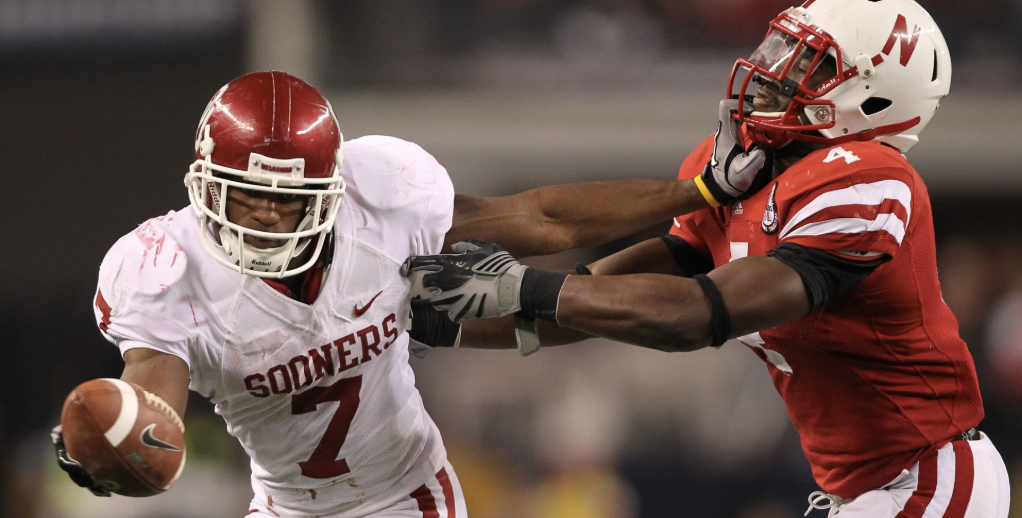
For decades, the Nebraska-Oklahoma game was mandatory viewing. Traditionally played during Rivalry Week, the game frequently decided the Big Eight Conference champion and, by extension, often had national championship implications. The rivalry was defined by mutual respect between two of the sport's most dominant programs, led by legendary coaches like Nebraska's Tom Osborne and Oklahoma's Barry Switzer.
The apex of the rivalry, and perhaps of 20th-century college football, was the 1971 matchup, affectionately dubbed the "Game of the Century." In a Thanksgiving Day showdown in Norman, Oklahoma, #1 Nebraska faced #2 Oklahoma. Watched by an estimated 55 million people across the country, the game was a back-and-forth thriller featuring an iconic 72-yard punt return touchdown by Nebraska's Johnny Rodgers. Nebraska's 35-31 victory propelled them to a second consecutive national title and cemented the game in college football lore.
The rivalry's prominence began to fade with the formation of the Big 12 Conference in 1996. The new conference's divisional structure separated the teams, ending the annual meetings. The rivalry effectively passed on when Nebraska departed for the Big Ten Conference in 2011, another casualty of the realignment era. While the schools have played a home-and-home series in recent years and have another round scheduled for 2029 and 2030, the chances of a return to an annual game are slim.
The Keystone Conflict (Pitt vs. Penn State)
Spanning 100 games, the rivalry between the University of Pittsburgh and Penn State University was a bitter intrastate conflict defined by proximity and shifting dominance. During Pitt's golden era from 1922 to 1938, the Panthers rattled off 14 consecutive wins, a streak that coincided with their rise as a national power. Later, Penn State's dominance under Joe Paterno helped solidify their status, often at Pitt's expense.
Unlike rivalries severed by a single, dramatic conference move, the Keystone Conflict suffered a worse fate. The annual series unraveled in the early 1990s when both schools, previously independents, went their separate ways: Penn State to the Big Ten and Pitt to the Big East. Since then, attempts to consistently renew the series have been fraught with logistical disagreements. A primary sticking point has been scheduling, with Penn State arguing for an unbalanced number of home games to compensate for the historical series being played more often in Pittsburgh, a demand that Pitt refused.
The rivalry was briefly revived as the Keystone Classic for a four-game series from 2016 to 2019, but no future games were scheduled. The current dynamic is one of public posturing, with Pitt's athletic director publicly calling for the game's renewal while Penn State's leadership cites scheduling complexities and questions whether the matchup would work for their program. Despite the on-field hiatus, stories from fans and former coaches reveal a deep-seated animosity that continues to simmer, a rivalry that remains alive in memory even if currently at a standstill on the field.
Living with Lost Rivalries
The dissolution of a major rivalry has a profound effect on a fanbase. For older generations of fans who grew up with the annual animosity, the hatred persists, a sort of ghost limb that aches every Thanksgiving weekend. However, for younger fans who never experienced the tradition, the rivalry fades into historical lore, replaced by newer, (sometimes) less emotionally charged conference matchups.
While realignment creates new, high-profile games - these matchups lack the generational animosity and cultural fabric of the rivalries they replaced. Authentic rivalries are not manufactured; they are forged over decades of shared history, geographic proximity, and high-stakes competition. As college sports continue to prioritize television revenue over tradition, the landscape becomes increasingly secular. While the game moves forward, the loss of these historic contests represents an irreplaceable tearing of college football's cultural soul, leaving fans to mourn traditions that may never return.